
Shoreline Patio Decor Forum, Blogs and Articles
Shopping Basket

Shopping Basket

Items: 0
Subtotal: $0.00

CUSTOMERS COMMENTS

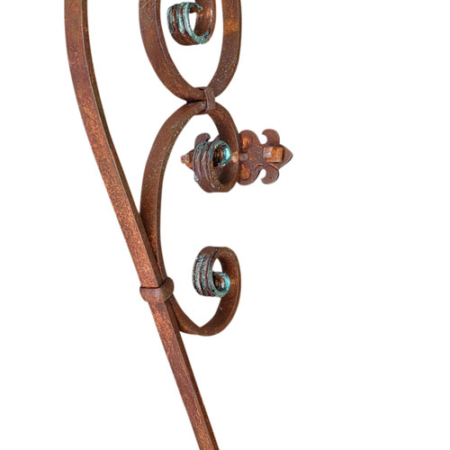
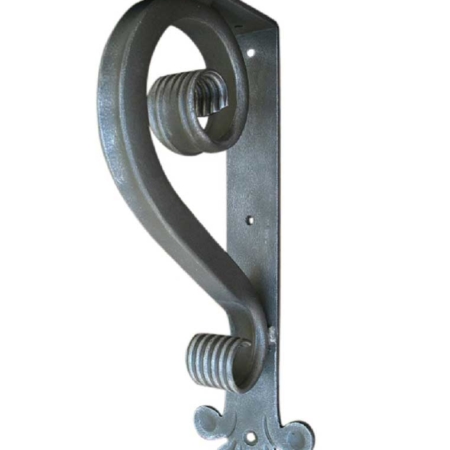
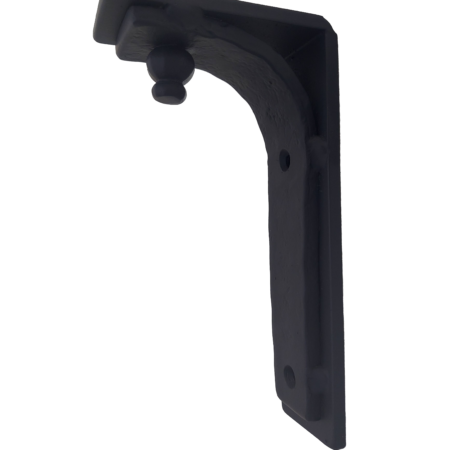
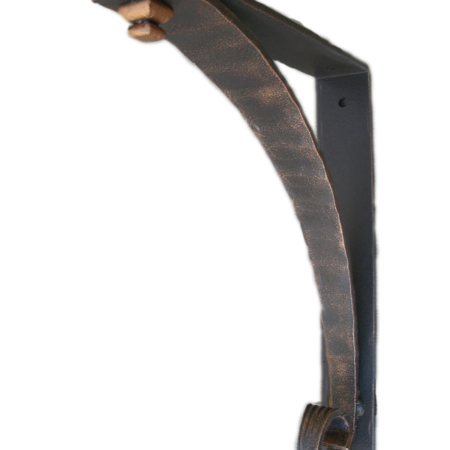
I just received my Brackets and I am extremely pleased!!!! The quality and craftsmanship are superb and I love the bronze finish.  Thank you for your prompt service. Connie B.,Chattanooga,Tn

The brackes have arrived and they are gorgeous. We will recommend your site to our granite fabricator. Thanks again for the great service.  David S. H.,Tn 

The quality, workmanship, customer service and expediency you provided made me feel more like an immediate family member than a customer.  The design modifications were absolutely perfect!   If the standard for excellence in all aspects of this transaction is ten stars, Shoreline Ornamental Iron has easily earned a minimum of fifteen.Tim B. C,, MI

MORE TESTIMONIALS

RECENT POSTS


Shoreline Ornamental Iron

Promote Your Page Too


Shoreline Patio Decor Forum

Shoreline Patio Decor Forum

  1. BUILDERS BET BABY BOOMERS WILL WANT TO LIVE GREEN 

    TREND: New homes for retirees are eco-friendly and energy efficient.

     Shea Homes, one of the nation’s largest home builders, believes baby boomers are looking for communities that make an environmental difference. 

    This month, Shea announced the opening of Victoria Gardens, an “active lifestyle,” or retirement, development in Florida sandwiched between Orlando and Daytona Beach.  The homes were advertised as having a carbon footprint that is 20 percent to 30 percent less than that of a “typical household.” 

    Billed, as eco-friendly and energy-wise, the homes feature solar attic fans, green-fiber recycled insulation, motion-sensor-triggered lighting, energy-efficient windows and appliances, and garages outfitted with electric-vehicle charging stations,.  Shea says it has focused on small, incremental green features that will collectively add up to energy savings. 

    Housing developments that target baby boomers may be the next big push for the green-housing market, and statistics indicate this could be a good marriage.  “There is no doubt that green trend is going to accelerate more and more,”  said Rick Andreen, president of Shea Homes Active Lifestyle Communities division. 

    Victoria Gardens marks Shea’s debut in the Florida retirement market, though the company is building similar homes in Northern and Southern California, Arizona, and Washington.  The energy-efficient features are considered standard in these homes. Other retirement communities from Texas to Maine are taking similar steps and adding green features to existing homes. 

    An army retirement community in San Antonio recently announced plans to install solar hot-water systems in the community’s 180 homes.  Sea Coast Management Co., which manages retirement communities in Maine, is offering existing residents incentives to install solar hot-water heaters and offering a Toyota Prius and/or a free solar hot-water system to customers buying a home. 

    Baby boomers grew up alongside the environmental movement of the 1960’s and 70’s.  “This is the birth cohort that was at the environmental movement’s summer of love,” said Matthew Kahn, a professor at UCLA’s Institute of the Environment. 

    In 2005, the U.S. Census Bureau estimated there were approximately 78.2 million baby boomers in the U.S.  A December 2007 survey by AARP found that roughly half of all boomers see themselves as environmental stewards, or “green boomers.” 

    Besides being a large swath of the population, boomers are overwhelmingly homeowners.  Boomers are also far more affluent than earlier generations of retirees, making it more likely that they will consider paying a premium for environmentally friendly housing features.  

    Builders have been studying and surveying boomers, and , while this generation is far from homogenous, the industry sees some evidence that today’s new wave of environmental concerns and rising energy costs will factor into boomers’ housing decisions.

  2. A Green Building – Is This the Color of Your Next Home?  by Dr. Lisa Romero, Ph.D. 

    It doesn’t take much global awareness to know that “green living” is one of the new trends in the 21st century.  According to the 2006 Residential Green Building Smart Market Report, “green homes” are expected to reach 10% of all new construction by 2010.  While this sounds like a good thing, what exactly does “green building” mean, why is it beneficial, and how does one begin implementing green building philosophies?  These are all questions I had and here are some of the answers I found. 

    The philosophy of green building is at its core construction that attempts to protect not only the environment (which is what we tend to think of first), but also human health, which for most of us is in reality more important.  This type of construction or remodeling includes using renewable and non-toxic materials, such as certified woods, as well as choosing energy efficient systems (energy star® rated appliances, for example).  It also takes into consideration the location, size and design of the building or home.  Although building green can include what many may consider extreme and costly measures, such as installing solar panels, there are also more moderate strategies that can accomplish “green goals”.  Some examples include choosing a location that is within walking distance to public transportation, parks schools and stores; building smaller homes which are naturally more energy-efficient than large ones (and easier to clean!); and  incorporating building designs that optimize placement of windows and doors to take advantage natural lighting and breezes and fresh air, and arrange landscaping that provides shade for exterior walls and includes drought-tolerant plants.   

    Many aspects of green building simply involve building well and using quality materials which is cost effective in the long term.  Often this may mean substituting one material for another and may or may not be more costly than basic good quality construction.  Because of this the need for repairs and the cost of maintenance is reduced.  Furthermore, the cost of operating an energy efficient home is lower.  The non-monetary benefit of course, is the feeling that your family is living in an environment that is comfortable and healthy. 

    When considering how to start building green there are many websites you can visit and there are currently two national standards you can consult before beginning.  These give details of materials and methods of building green.  One such program developed by the U.S. Green Building Council is the Leadership in Energy and Environmental Design (LEED).  You can find out about this program and their guidelines at www.usgbc.org/leed/homes.  The other national standard is from the National Association of Homebuilders (NAHB).  Their guidelines can be found at www.nahb.org/gbg.  The good thing is “green building” is not an all or nothing endeavor; there are aspects we can all incorporate into our homes and into our budgets with a little education and planning. 

    *A good website that promotes ECO-Friendly products is www.shorelineornamentaliron.com . 

    Lisa Romero has a PhD in Biological Sciences. 

  3. When choosing wood for building, woodworking or in purchasing furniture there are several factors to consider, including durability, color and appearance and cost. This last factor may limit your choices, but if durability or use of naturally beautiful wood is high on your priorities, you will not want to lower your standards just to save a little money .


    When choosing wood for building, woodworking or in purchasing furniture there are several factors to consider, including:

    1.  DurabilityThe level of durability you will need will depend on use, specifically, whether the piece is designed for interior or exterior use.

    2. Color and appearanceThis is a purely personal preference and can be obtained using natural wood chosen for color, texture and grain characteristics or the wood can be stained to meet your standards.

    3. CostThis factor may limit your choices, but if durability or use of naturally beautiful wood is high on your priorities, you will not want to lower your standards just to save a little money. 

    There are two types of wood used in building and woodworking, softwood and hardwood.  These classifications refer to the botanical grouping of the trees rather than physical characteristics of the wood.  Softwoods come from coniferous trees (trees that bear cones) which are mostly evergreens and have small needle shaped leaves.  This category includes wood from types of pine and cedar trees.  Softwoods are generally cheaper because they are fast growing, and easily cultivated in man-made forests.  Conifers are grown mostly in the Northern hemisphere.  Hardwoods come from trees of the classification angiosperm (flowering plants).  These are broad leaved trees and are mostly deciduous (the leaves fall off in winter) although in tropical regions many have become evergreen.  Examples include teak, oak and maple.  Hardwood trees are generally more durable and have a wide range of colors and textures. They are grown worldwide but are relatively slow growing and often come from non-renewable sources therefore they are more expensive.   

    When choosing wood materials for outdoor use, it is important to consider the natural durability of the wood.  Since wood is a biological organism composed of cells it contains molecules such as sugars that bacteria and fungi feed on.  Since these microorganisms cannot grow without moisture, even in the presence of sugars, furniture and structures inside the home are safe from decay.  However, in an outdoor environment exposed to wet weather in the winter and spring, squirt guns or pool play in the summer and year-round sprinklers, wood must be carefully chosen and properly protected from moisture to promote long-life. 

    Fortunately, many types of wood are naturally rot-resistant.  Some of the more commonly used woods include red cedar and redwood.  The durability of these woods is due to extracts found in the heartwood of the tree that is toxic to fungi and some insects.  The heartwood is the darker center section of wood and in the case of cedar is the source of its characteristic scent.  In contrast the sapwood is located close to the bark and is susceptible to decay in all species of wood.  Another very durable wood commonly outdoors is teak.  It is naturally rot-resistant and termite resistant and so durable it is widely used on boats where the marine environment is extremely harsh on materials of all kinds.  While more expensive, these woods are naturally beautiful and do not need yearly treatment with water repellent preservatives.  A less costly alternative to naturally rot-resistant wood is pressure treated wood which is treated with chemicals that prevent fungal growth.   

    If you are looking for high quality, durable red cedar or teak patio furniture and accessories, I recommend visiting www.shorelinepatiodecor.com.  This site features beautiful patio furniture hand-crafted from Western Red Cedar or Teak which is plantation-grown in renewable forests (therefore good for the environment). 

    Lisa Romero has a PhD in Biological Sciences. 


  4. There are two types of wood used in building and woodworking, softwood and hardwood.  These classifications refer to the botanical grouping of the trees rather than physical characteristics of the wood.  Softwoods come from coniferous trees (trees that bear cones) which are mostly evergreens and have small needle shaped leaves.  This category includes wood from types of pine and cedar trees.  Softwoods are generally cheaper because they are fast growing, and easily cultivated in man-made forests.  Conifers are grown mostly in the Northern hemisphere.  Hardwoods come from trees of the classification angiosperm (flowering plants).  These are broad leaved trees and are mostly deciduous (the leaves fall off in winter) although in tropical regions many have become evergreen.  Examples include teak, oak and maple.  Hardwood trees are generally more durable and have a wide range of colors and textures. They are grown worldwide but are relatively slow growing and often come from non-renewable sources therefore they are more expensive. 


    When choosing wood for building, woodworking or in purchasing furniture there are several factors to consider, including:

    1.  Durability

    The level of durability you will need will depend on use, specifically, whether the piece is designed for interior or exterior use.

    2. Color and appearance

    This is a purely personal preference and can be obtained using natural wood chosen for color, texture and grain characteristics or the wood can be stained to meet your standards.

    3. Cost

    This factor may limit your choices, but if durability or use of naturally beautiful wood is high on your priorities, you will not want to lower your standards just to save a little money.


    When choosing wood materials for outdoor use, it is important to consider the natural durability of the wood.  Since wood is a biological organism composed of cells it contains molecules such as sugars that bacteria and fungi feed on.  Since these microrganisms cannot grow without moisture, even in the presence of sugars, furniture and structures inside the home are safe from decay.  However, in an outdoor environment exposed to wet weather in the winter and spring, squirt guns or pool play in the summer and year-round sprinklers, wood must be carefully chosen and properly protected from moisture to promote long-life.


    Fortunately, many types of wood are naturally rot-resistant.  Some of the more commonly used woods include red cedar and redwood.  The durability of these woods is due to extracts found in the heartwood of the tree that is toxic to fungi and some insects.  The heartwood is the darker center section of wood and in the case of cedar is the source of its characteristic scent.  In contrast the sapwood is located close to the bark and is susceptible to decay in all species of wood.  Another very durable wood commonly outdoors is teak.  It is naturally rot-resistant and termite resistant and so durable it is widely used on boats where the marine environment is extremely harsh on materials of all kinds.  While more expensive, these woods are naturally beautiful and do not need yearly treatment with water repellent preservatives.  A less costly alternative to naturally rot-resistant wood is pressure treated wood which is treated with chemicals that prevent fungal growth. 

     If you are looking for high quality, durable red cedar or teak patio furniture and accessories, I recommend visiting www.shorelinepatiodecor.com.  This site features beautiful patio furniture hand-crafted from Western Red Cedar or teak which is plantation-grown in renewable forests (therefore good for the environment). 

    Lisa Romero has a PhD in Biological Sciences.